
cci logo

Clipping Creations India

  • Home
  • Image Editing Services
    • Background Remove
    • Clipping Path Service
    • Multiple Clipping Path
    • Ghost Mannequin Effect
    • Car Photo Editing
    • Product Photo Editing
    • Image Masking
    • Drop Shadow
    • Color Correction
    • Photo Retouching
    • Vector services
    • Photo Editing
  • Blog
  • Pricing
  • Our Portfolio
  • Free Trial
Home  »  Tutorial   »   How to Cast Shadow in Photoshop Like a Pro

How to Cast Shadow in Photoshop Like a Pro

  • Paul Jones
  • March 1, 2025
  •  
    • Tutorial
  • Tags: cast shadow Photoshop, Photoshop shadow effect, Photoshop shadow tutorial, realistic shadows Photoshop

How to Cast Shadow in Photoshop Like a Pro

Do you want to know how to cast a shadow in Photoshop like a pro? Well, you’ve come to the right place. When adding shadows to your photos in Photoshop, there are several methods to choose from. The one you use will depend on the aesthetic you want to achieve and the tools you have available. In this post, we’ll explore three of the most popular methods for casting shadows in Photoshop: the gradient tool, layer styles, and the shadow tool. Thus, every method has its own set of benefits and drawbacks. It’s critical to understand how these methods differ so you can decide which is best for your project. Take some time to explore the specific distinctions of this method.

Benefits: Cast Shadow in Photoshop

There are several ways to create shadows in Photoshop. The method you choose depends on the look you want. In this lesson, we’ll show you how to use the cast shadow approach. This is a great option if you want realistic shadows that look like they’re being cast by real-world objects. Let’s get started!
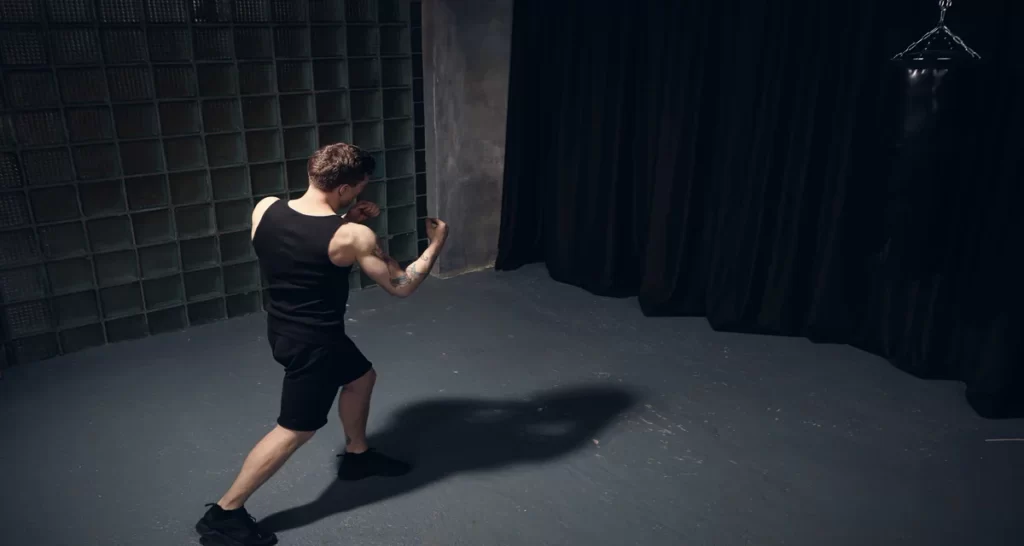
Shadow in Photoshop

There are a few key benefits to casting shadows in Photoshop which you must know before we jump into the actual topic. It can: 

  1. Add realism to your photos.
  2. Assist in defining the outlines of specific subjects. 
  3. Give your photographs depth and dimension.
  4. Enhance the impression of your beautiful photos. 

Read more: A Photographer’s Secrets: How Long Do Photographers Take to Edit Photos

Prerequisites: Cast Shadow in Photoshop

So, you want to cast shadow in Photoshop like a pro? Awesome! Before you get started, things you must know are listed below: 

First of all, the basic concept behind casting shadows is that you need two layers: the object you want to cast a shadow on and the background. The object should be on its own layer, and the background should be on a separate layer below it.

Cast Shadow in Photoshop

The item will then require a mask to be created. The mask controls which sections of the object shed shadows and which do not. To make a mask, go to Layer> Layer Mask > Reveal All after selecting the object’s layer.

Now, it’s time to add the shadow. Go to Filter > Render > Lighting Effects and select Cast Shadow. A new window appears for you to define your shadow. Adjust the parameters until you achieve the results you want.

How to Cast Shadow in Photoshop

This article will demonstrate how to cast a shadow in Photoshop like a pro. First, open up the photo that you want to edit in Photoshop.

Next, use the Pen Tool to create a selection around the object that you want to cast a shadow on in Photoshop. After you’ve decided, proceed to the Layers panel’s bottom and click the Create New Layer button.

Now, change the blending mode of this layer to Multiply and then use the Move Tool to adjust the position of the shadow until you’re happy with the results.

If needed, you can also use the Pen Tool to create additional shadows by selecting different areas of your photo. And there you have it! You’ve finally mastered the art of casting shadows in Photoshop.

Tips and Tricks for Creating Realistic Shadows

When creating realistic shadows, there are several factors to consider. Here are some pointers to consider before you create realistic shadows in Photoshop:
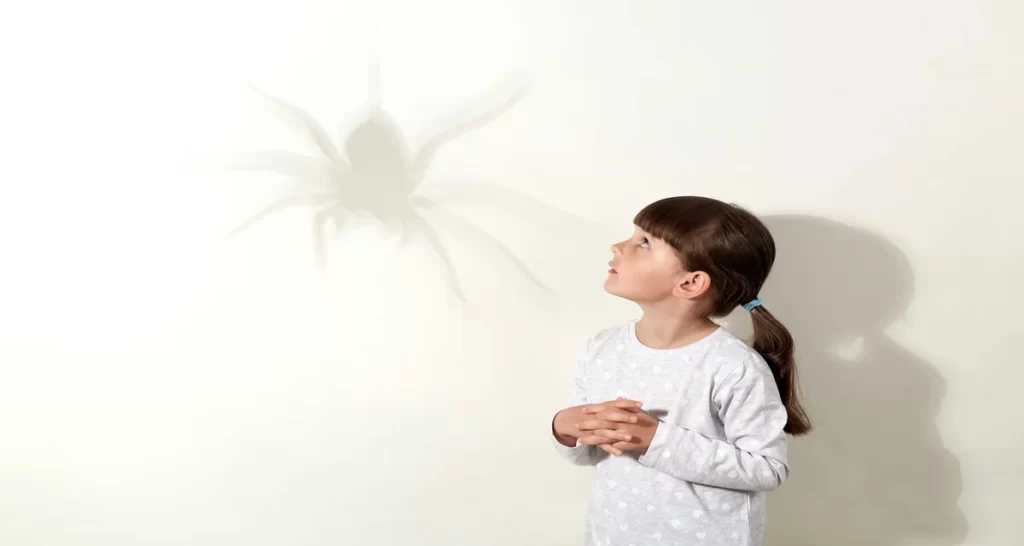
Creating Realistic Shadows

1. Use the layer blending mode “Multiply” to create a shadow that’s easy to edit and blends in well with the rest of the image.

2. Keep your shadow layer separate from the rest of the image, and use a layer mask to blend it in.

3. Use the “Contrast” setting under “Levels” to adjust the darkness and brightness of your shadow.

4. Use a Gaussian Blur filter to soften your shadow and make it look more natural.

5. Experiment with different blending modes and opacity levels to get the desired effect.

Conclusion

Creating realistic shadows in Photoshop is a powerful way to elevate your images and make them feel more professional and visually compelling. By using techniques like layer masking, blending modes, and subtle blurring, you can closely mimic natural lighting effects. Each method—whether using gradients, layer styles, or lighting effects—offers unique creative control depending on your desired outcome. The key is to experiment with opacity, direction, and softness to achieve believable results. With consistent practice, you’ll develop an eye for detail that makes your shadows look natural and seamless. Start applying these techniques today to add depth, dimension, and realism to your designs.

FAQ's

Frequently Asked Questions

How do you create a realistic cast shadow in Photoshop?

To create a realistic cast shadow in Photoshop, place your subject on a separate layer, duplicate it, fill it with black, and transform it to match the light direction. Then apply Gaussian Blur and reduce opacity for a natural look.

Which blending mode is best for shadows in Photoshop?

The Multiply blending mode is best for shadows in Photoshop because it naturally darkens the underlying layers and helps the shadow blend seamlessly with the background.

What tools are used to add shadows in Photoshop?

Common tools for adding shadows in Photoshop include the Pen Tool, Layer Mask, Gradient Tool, and Lighting Effects filter, along with blur and opacity adjustments.

How can I make shadows softer and more natural in Photoshop?

You can make shadows softer by applying Gaussian Blur, lowering opacity, and adjusting contrast levels. This helps simulate real-world lighting and improves realism.

  • Facebook
  • Share on X
  • LinkedIn
  • WhatsApp
  • Email
  • Copy Link
(Visited 87 times, 1 visits today)

Post navigation

< Previous
Next >

Leave a Reply Cancel reply

Your email address will not be published. Required fields are marked *

Top Services:

  • Clipping Path Service
  • Car Image Editing Service
  • Ghost Mannequin Service
  • Product Photo Editing Service
  • Multiple Clipping Path Service
  • Ghost Mannequin Service
  • Color Change Service
  • Drop Shadow Service
  • Color Change Service
  • Photo Editing Service
  • Image Masking Service

Popular posts:

  • How to Move Eyes in Photoshop and Online ToolsHow to Move Eyes in Photoshop and Online Tools
  • How to Create See-Through Clothes in Photoshop: Easy…See Through Cloth in Photoshop − Best Practice
  • How to Clip in GIMP: Step-by-Step Guide to Clipping…Step-by-Step Guide to Clipping Mask & Image Editing
  • How to Reverse Video in Photoshop: Photoshop GuideHow to Reverse Video in Photoshop Photoshop Guide
  • How to Export Photoshop Actions in 2025How to export Photoshop actions
  • How to Create an Alpha Channel in Photoshop?How to Create an Alpha Channel
  • How To Fix A Lazy Eye In PhotoshopLazy Eye Problem Here’s What to Do,
  • How to Fix a Dark Polaroid Picture? Easy Solution to…How to Fix a Dark Polaroid Picture
  • 10 Professional Photo Manipulation Artists You Must Follow10 Professional Photo Manipulation Artists You Must Follow
  • How to Swap Eyes in Photoshop Like a ProHow to Swap Eyes in Photoshop

Recent Post

  • Mastering Flat Lay Clothing Photography: A Step-by-Step Guide
  • How to Use Clipping Path After Effects in 5 Easy Steps
  • Merge Photos with Graphics
  • 5 Must-Have Effective Photo Editing Tools
  • Ghost Mannequin Photo Editing Services: Complete Guide for E-commerce Brands

Categories

  • Background Removal
  • Clipping Path
  • Color Correction
  • Ghost Mannequin
  • Image Masking
  • Photo Editing
  • Photo Retouching
  • Tutorial
  • Vector Editing

About CCI

Clipping Creations India is a brand operated by Arafin Media. Here, every pixel tells a story. We offer our unparalleled service and invest our most talented minds at your solution whether you are a photographer or an agency. We are the gateway to exceptional photo editing services!

Get Your Quote

Quick Menu

  • About Us
  • Contact Us
  • Blog
  • Terms and Conditions
  • Privacy & Policy

Payment Method

  • PayPal
  • Stripe
  • Western Union
  • Skrill
  • Payoneer
  • Wise

Get In Touch

+8801715-491890

hello@clippingcreationsindia.com

Canada Office: 1401-2900 Carling Ave. Ottawa, ON, K2B 7J6

India Office: C-20, Lajpat Nagar 3, New Delhi, Delhi 110024, India

Bangladesh Office: 15 Bijoy Nagar, Abdur Rouf Tower (6th Floor), Dhaka – 1000, Bangladesh

Copyright © 2012 - 2026 Clipping Creations India | All rights reserved.

  • facebook
  • twitter
  • instagram
  • pinterest
  • linkedin

Live Chat