
Why Product Photographers Need to Edit their Photos
- October 1, 2025
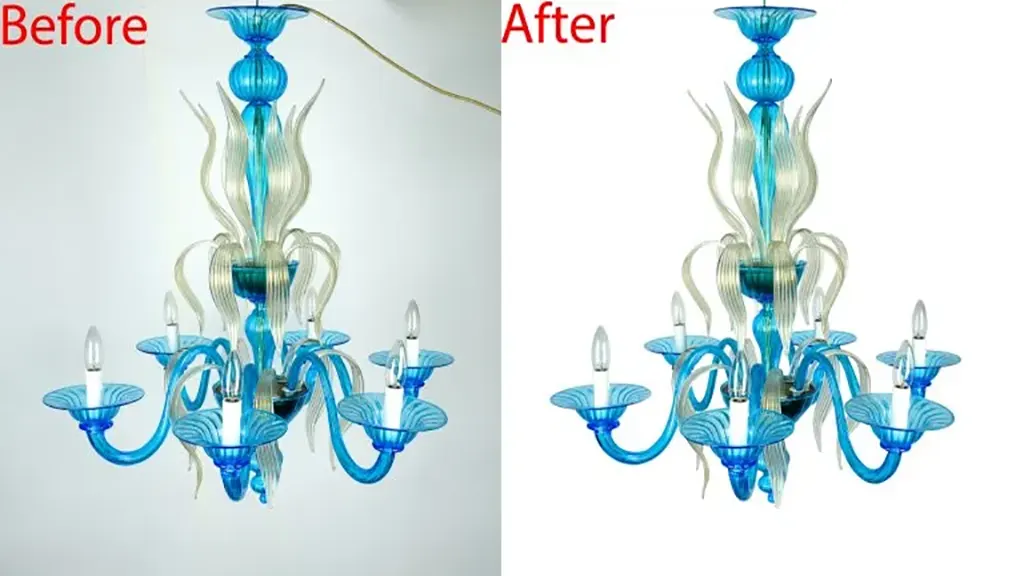
So, you are a product photographer, and are wondering why it is so important to edit your photos? There are many reasons for this. It is very hard to capture the essence of your product through an unedited photograph, and even harder to convey its appeal to potential customers unless you conduct at least some form of photo editing.
Removing the Background
The purpose of product photography is to capture the substance of the product itself and draw the attention of potential guests to the product. However, the background is littered with objects and decor. If you take a beautiful picture of the product. For this reason, need to remove the background of the product print. This is n’t respectable in the world of product photography, and thus, it’s necessary to engage in print editing to remove the background and replace it with either a solid colour or simply blur the background to ensure that the client’s attention is 100 concentrated on the product itself.
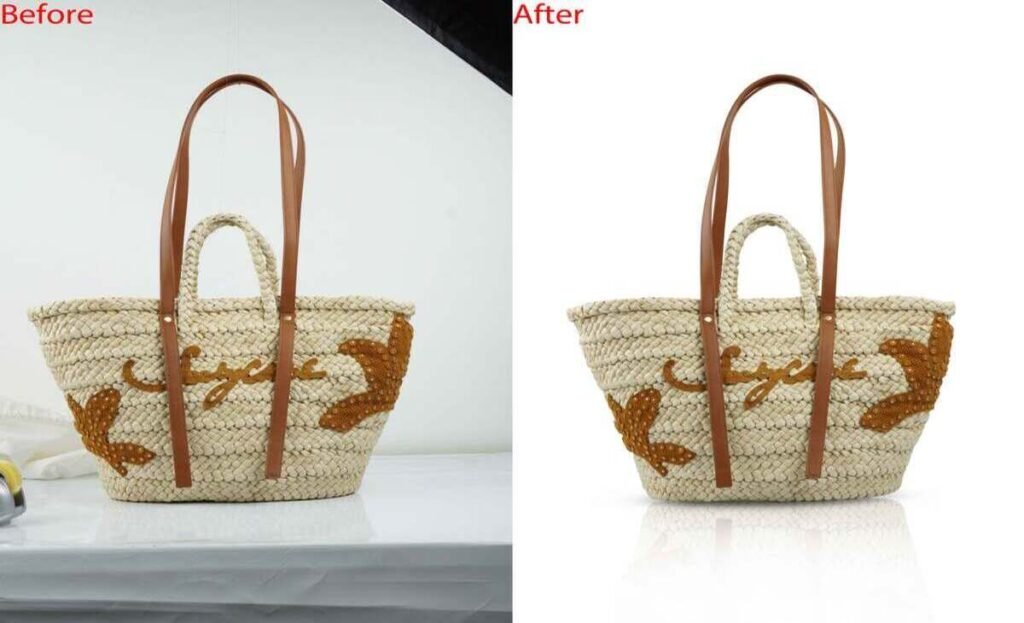
Correcting and Enhancing Colours
Despite your best efforts, there is always room for improvement when it comes to enhancing and correcting the colours of your product photography through photo editing. This step in the photo editing process helps bring uniformity and can also be used to increase the visual appeal of a product. Some of the most common colour corrections that you should be considering when engaging in photo editing for your product photography are white balance,’ contrast,’ and exposure.
White Balance: The mortal brain is more advanced than indeed the most precious DSLR camera, and this is why our eyes are suitable to compensate for the different types of lighting which can affect the colour of an object. A white object might appear different depending on whether the print is captured in sun, inner lighting, or darker settings. Digital cameras, still, are n’t as advanced as the mortal brain, which is why true whites may get distorted under different lighting conditions. To acclimate this miracle to product photography, the shooter must adjust the white balance to ensure that true whites are rendered similarly.
Contrast: When editing your product photography, you want the image to be engaging and visually appealing to the guests. Thus, it’s so important to acclimate to the discrepancy settings. Differ is basically the position of the difference between the whites and the blacks in your image. However, nudging the discrepancy up by one or two points can make all the difference if you wish to make your product photos pop and immediately improve their colourfulness and visual appeal. It’s important not to overstate the discrepancy, still, as this will make your product photography look unrealistic.
Exposure: The text description of exposure is the quantum of light in the snap. Editing the exposure of your product photography will make the difference between a washed- out print and a print that’s too dark to depict. Therefore, when editing your product photography, ensure that you balance your exposure to maximise the visual appeal of the product through proper lighting.
Conclusion
There are numerous other reasons you should conduct print editing with product photography, and the reasons mentioned over are only the tip of the icicle. Still, the common theme we see is that without proper print editing, your product photography will never be as effective as that which is edited properly, no matter how much attention you pay during the actual taking of pictures.