In-House Photographer: A Job That’s More Than Just Taking Pictures
- May 22, 2025
As an in-house photographer, you will capture the company’s essence through your lens. You will have to be innovative and have an eye for detail. It would help if you were looking for photo opportunities for this employment. You must be able to collaborate with a wide range of people. This is both a challenging and rewarding job. Are you looking for something extreme? Keep on reading. This article discusses the role of an in-house photographer. We’ll explore the job’s responsibilities, required skills, and the benefits of having an in-house photographer on staff. We’ll also touch on all the difficulties that come with the job. By the end of this article, you should understand what an in-house photographer does and whether or not it’s a good fit for you.
Who Is An In-House Photographer?
An in-house photographer is a professional photographer employed by a company to capture images of its products, employees, or facilities. In-house photographers usually require a college degree in photography.
Some in-house photographers take photos for advertising and marketing campaigns, while others provide images for company newsletters or annual reports. They may also photograph company events, such as conventions or trade shows.
The Responsibilities of An In-House Photographer:
An in-house photographer is responsible for taking pictures for the company they work for. This could be product photos, staff photos, or event photos. These photographs may also be edited to ensure they satisfy the company’s standards. In rare situations, they may also supervise a team of other photographers.
An in-house photographer typically works regular business hours, but their schedule may be flexible to accommodate their company’s needs. For example, they may be required to travel for work or to attend events outside of regular business hours.
An in-house photographer must have a working knowledge of photography and basic editing skills. They must always maintain their routine, even under duress, and fulfil deadlines. When needed, they will also oversee a team of additional photographers.
The job of an in-house photographer can be both challenging and rewarding. In addition, it is a great way to use your creativity and photography skills to help a company promote its products or services.
Read more : Best Outdoor Product Shoot Ideas
Advantages of Being an In-House Photographer:
There are many benefits to being an in-house photographer. As the name suggests, in-house photographers are based at a company or organisation, meaning they are likelier to have an excellent working knowledge of that organisation and its people. This can be a great asset when capturing natural, candid shots or important moments.

In-house photographers are also more flexible with their time, making them available for last-minute assignments or events. And because they are company employees, in-house photographers often have access to places and people that an outsider wouldn’t.
Skills Needed to Be An In-House Photographer:
An in-house photographer is responsible for taking pictures for internal use by a company or organisation. This could include photographing products, employees, or company events. A few essential talents must always rise to success in this profession.
First and foremost, an in-house photographer needs to have excellent photography skills. An eye for composition, lighting, and other technical aspects of photography is required. They must also be able to work swiftly and efficiently, as they frequently operate under pressure. Additionally, it is helpful if they have experience with photo editing software, as you can use this to touch up pictures before the company uses them.
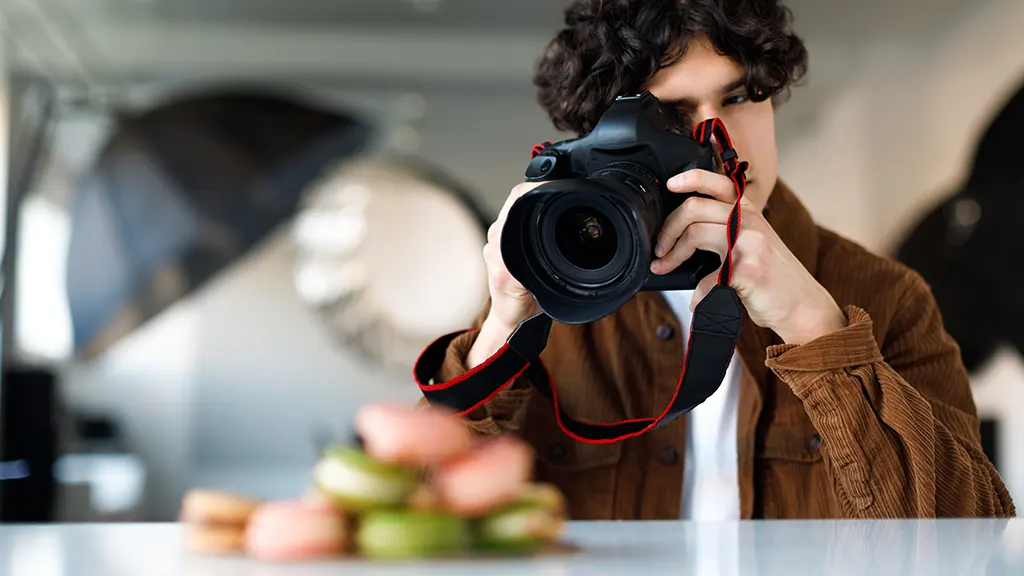
An in-house photographer also needs to be professional and personable. They will be interacting with a variety of different people, so it is essential that they can build good relationships. They should also be able to work in a fast-paced atmosphere and handle last-minute modifications or requests.
Overall, an in-house photographer must have strong photography skills, be professional and personable, and be comfortable working under pressure. With these skills, they can successfully capture important moments for their company or organisation.
Different Types of In-House Photography:
There are different types of in-house photography, each with its unique responsibilities. Here are four of the most common:
Product Photography:
Product photographers are responsible for capturing product images for advertisements, catalogues, and other marketing materials. They must make the product look its best and capture it to appeal to potential customers. Commercial photographers take photos of businesses, products, and people for marketing and advertising purposes. They strive to capture a company’s unique qualities and present it in the best light.
Event photographers document events such as weddings, parties, and concerts. Their goal is to capture the atmosphere of the events and the people who attend.
Portrait Photography:
Portrait photographers capture images of people, often for use in portfolios or on personal websites. They must capture the person’s personality and make them look their best.
Architecture Photography:
Architecture photographers capture buildings and other structures for use in magazines, websites, and other media. They must capture the structure’s beauty and make it look its best.
How to Become An In-House Photographer:
There are a few critical steps to becoming an in-house photographer:
- Having a solid foundation in photography and demonstrating this through a strong portfolio is essential.
- It is helpful to have experience working with diverse clients and to adapt your style to their needs.
- It is vital to be able to operate under stress and meet deadlines.
In-house photography can be a great career for those passionate about photography and eager to work with various clients. However, becoming an in-house photographer requires more than a strong portfolio; you also need experience with different clients and the flexibility to adapt your photography style to their needs. Additionally, it is important to handle pressure well and consistently meet deadlines in this field.
In-house photography can offer many benefits, including a stable job, good pay, and the opportunity to work with various clients. However, it is essential to remember that becoming an in-house photographer involves more than taking great pictures; one must also work well under pressure, adapt one’s style to different clients’ needs, and meet deadlines.
Conclusion:
In conclusion, working as an in-house photographer is more than just taking pictures. It necessitates attention to detail, organisation, and creativity. While the job may be challenging, it may also be enjoyable and rewarding. Anyone may be an excellent in-house photographer with the correct attitude and a willingness to learn. In addition to the above, being a successful in-house photographer requires strong people skills. In-house photographers must collaborate with a variety of individuals, including clients, co-workers, and management. They need to communicate clearly, both verbally and in writing. Finally, they should maintain a positive attitude, even when things do not go as planned.
Please stay connected with our blog section and get daily updates.