
Ghost Mannequin Photography vs Flat Lay Photography: Which Is Best for Your Fashion Brand?
- June 3, 2026
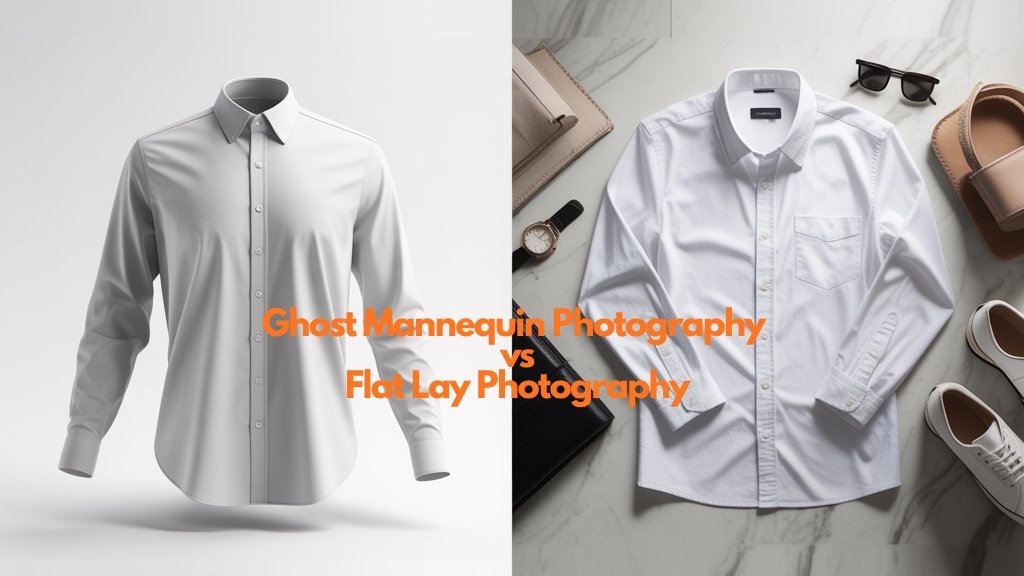
When it comes to showcasing apparel online, two popular photography styles stand out: ghost mannequin and flat lay. Scroll through any fashion website, and you’ll spot both: one gives clothes a 3D, worn look with nobody visible, while the other arranges garments flat on a surface for a neat, editorial vibe. But which is better for your brand? Let’s break down the pros, cons, and SEO implications of ghost mannequin vs. flat lay photography.
What Is Ghost Mannequin Photography?
Ghost mannequin clothing photography is a technique where clothing is shot on a mannequin, then edited so the mannequin disappears. The result looks like an invisible person is wearing the garment. You get clear, structured images that highlight fit, drape, and design details—no models or distracting backgrounds needed.
What Is Flat Lay Photography?
Flat lay clothing photography is just what it sounds like: you arrange clothing and accessories flat on a background and shoot from above. It’s a favorite for Instagram and editorial spreads, letting brands play with color, props, and creative layouts. Flat lays can be simple, like a shirt on a whiteboard, or styled with accessories to create a full look.
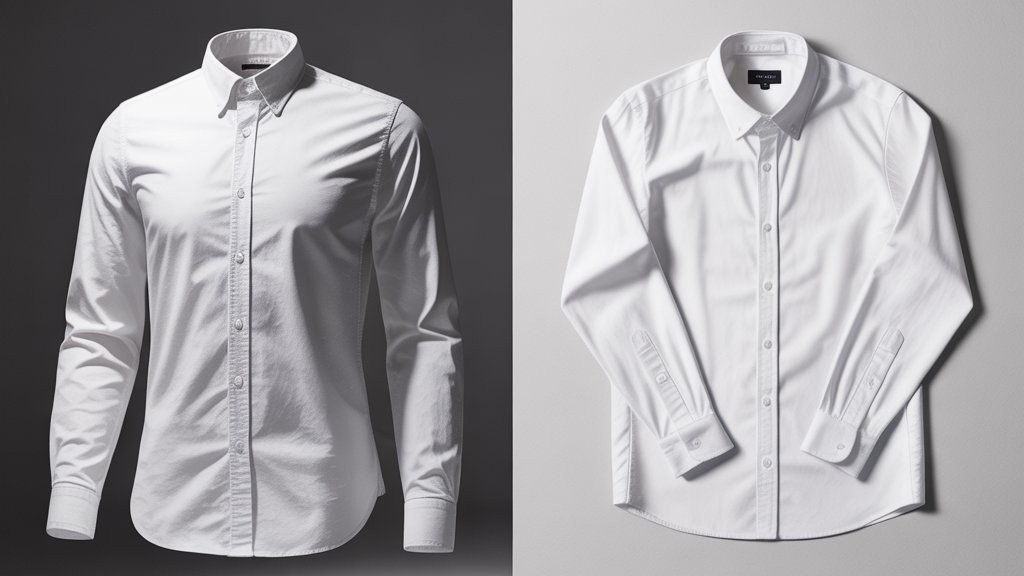
Visual Impact: 3D vs 2D
Ghost mannequin images give your customers a sense of how the clothing actually fits. The 3D shape is preserved, making it easy to picture how the item will look when worn. This is especially valuable for structured pieces like jackets, dresses, or anything with tailoring.
Flat lay photos offer clean, minimalist visuals. They’re excellent for casual, folded items; think T-shirts, jeans, or accessories. Flat lays are flexible, too: you can tell a story by arranging multiple items together, creating mood boards, or outfit ideas.
SEO Considerations
Both styles can boost your product’s online presence if done right, but ghost mannequin photography has a slight SEO edge for fashion e-commerce.
- Higher Engagement: Ghost mannequin shots often keep shoppers engaged longer, since they better show fit and detail. Lower bounce rates and higher dwell time send positive signals to Google.
- Image Search Visibility: Clean, high-resolution ghost mannequin images with keyword-rich alt text tend to perform well in Google Images, driving targeted traffic to your site.
- Professionalism: Consistent, polished imagery increases trust and conversion rates, which search engines track through user behavior.
Flat lays can also rank well with good lighting, sharpness, and optimized metadata, but they’re often used for branding or social content rather than main product listings.
When to Use Ghost Mannequin
- Best for: Tops, dresses, coats, blazers, pants anything where fit and form matter.
- Pros: Shows real shape, highlights design details, looks high-end, reduces returns.
- Cons: Requires more post-production editing, usually needs a pro photographer.
When to Use Flat Lay
- Best for: T-shirts, sweaters, accessories, basics, kids’ clothes, or when creating mix-and-match outfit shots.
- Pros: Fast and easy to shoot, budget-friendly, allows creative styling, and is great for lookbooks and social media.
- Cons: Can look less dynamic, doesn’t show how items fit on a body.
Which Is Better for Sales?
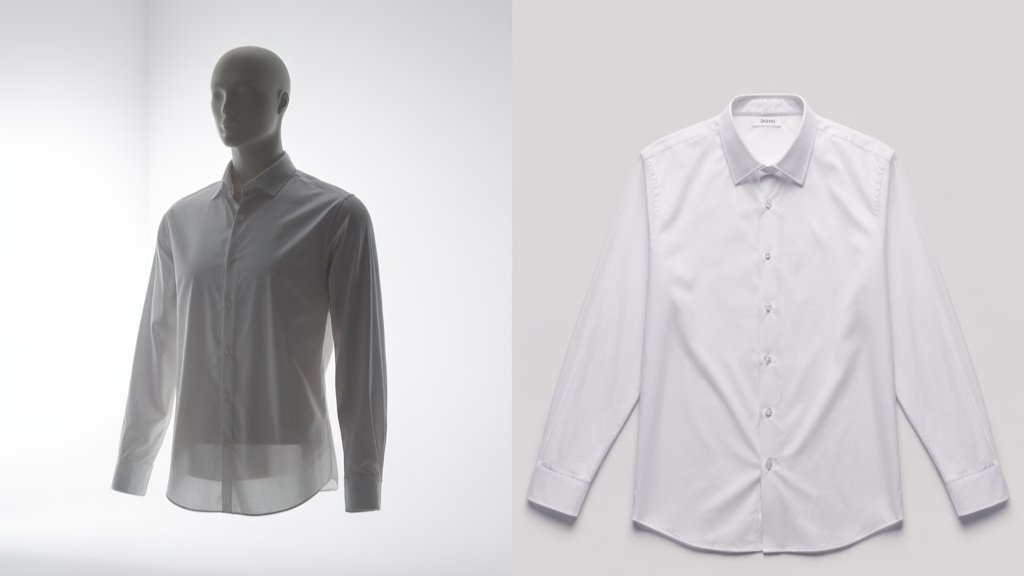
For most e-commerce stores, ghost mannequin images convert better for core product listings. Customers want to see how an item hangs, where the waist hits, and what the neckline looks like in real life. Brands like ASOS, Zara, and Uniqlo rely heavily on ghost mannequin shots for this reason.
Flat lays shine in editorial, social, and branding content. They’re perfect for Instagram grids, seasonal lookbooks, or landing pages where you want to tell a story or set a mood.
Conclusion
You don’t have to choose just one. The best fashion brands use both—ghost mannequins for product pages and flat lays for lifestyle and brand-building content. Whichever style you pick, focus on high-quality images, consistent editing, and SEO-optimized alt text and filenames to get the most impact.
In short:
- Use ghost mannequin for detailed, shoppable product shots.
- Use flat lay for creativity, storytelling, and social buzz.
Great images sell clothes. The right style—ghost mannequin or flat lay—can make all the difference.