
Why You Should Use Shadow Edits for Product Photos
- December 17, 2025
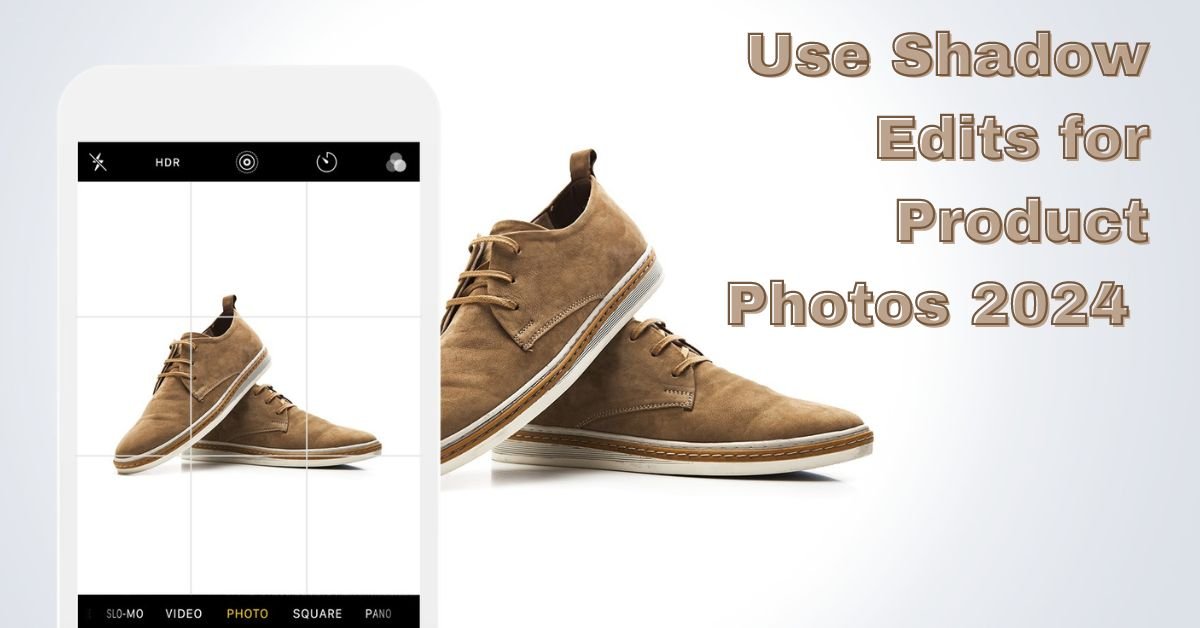
Use Shadow Edits for Product Photos
Shadows are like the unsung heroes of your product images. They’re not just patches of darkness; they’re the subtle touches that add depth and life. Consider them the transformation that brings your products into a three-dimensional space, making them more appealing and relatable.
It’s important to capture the attention of potential customers in today’s world of online shopping and digital marketing. Product photos are like your virtual salespeople, showcasing your offerings to the world. A game-changer in making these product photos stand out is the clever use of shadow edits.
Let’s take a closer look at the magic of shadow edits—why they matter, how to use them, and the incredible difference they can make to your product images.
The Significance of Shadows in Product Photography
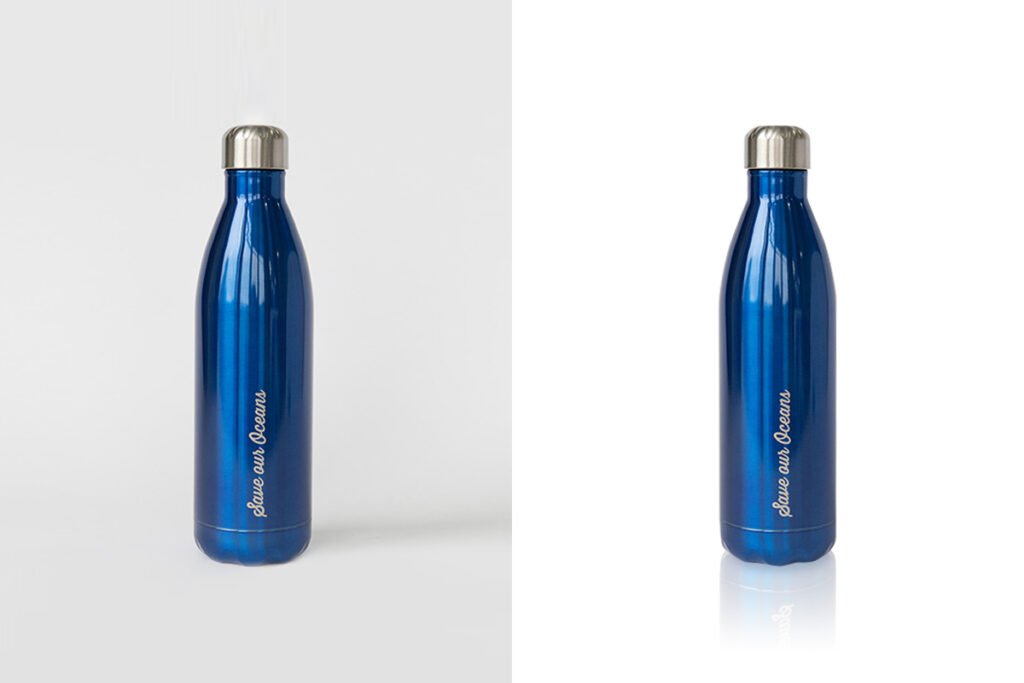
Shadows are not just visual elements; they are essential components that contribute to the depth, realism, and overall aesthetic appeal of product photos. Well-executed shadows can create a sense of dimension, highlight product features, and evoke emotions that resonate with your target audience.
Depth and Dimension:
Your product photos are a canvas waiting to come alive. Shadows play a crucial role in this visual storytelling, acting like magic brushes that prevent your images from looking dull and two-dimensional. When shadow edits for Product Photos are thoughtfully placed, they work like optical illusions, magically turning a flat photo into a 3D wonderland. This wizardry not only makes your product pop but also beckons viewers to take a closer look as if an intriguing story is waiting to unfold.
Highlighting Product Features:
When showcasing your product in photographs, shadows play a crucial role in making it stand out. Instead of just being dark areas, shadows can be like an artist’s brush, emphasizing specific features that make your product special.
Whether you’re capturing the sleek lines of a gadget or the texture of a fabric, well-thought-out shadows bring attention to those unique details. This attention to detail can significantly influence potential buyers’ decisions.
Setting the Mood:
Creating a mood or setting a vibe in your product photos is heavily influenced by the use of shadow edits for the Product Photos you incorporate. Think of shadows as the mood-makers in your visual storytelling. The way shadows fall—whether they’re soft or bold—and the direction they lean can give your product image a particular feel.
This feeling can range from a touch of excitement to an air of elegance, or even a playful vibe. The emotional impact of your product photos has a big say in how customers perceive what you’re offering.
Techniques for Implementing Shadow Edits
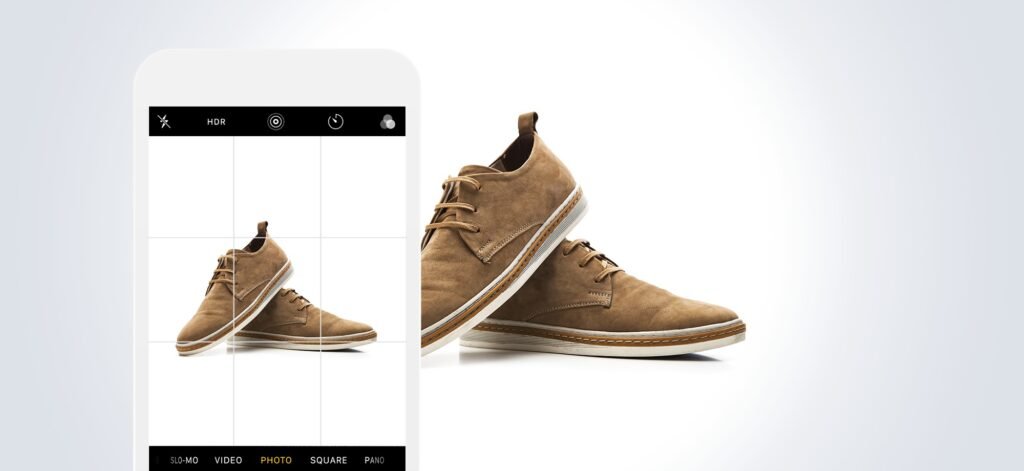
Now that we’ve grasped how vital shadows are in making product photos pop, let’s dive into some straightforward tricks to make your images even better. We’re about to unravel the secrets of shadow edits, so get ready to transform your product shots into eye-catching visual delights.
Natural Light vs. Artificial Light:
When you are about to use shadow edits for product photos, take a moment to think about where the light is coming from. If you’re using the sun or any natural light, you’ll get softer shadows that spread out gently.
On the flip side, if you’re using lights you set up, like lamps or studio lights, you’ll get stronger and more noticeable shadows. Try both to figure out what works best for your product and the vibe you’re going for.
On the other hand, if you want to add a bit of drama or make your product stand out, using artificial lighting can help. These lights create shadows that are more noticeable and defined. It’s like when you shine a flashlight on something in the dark—the shadows become bold and stand out.
Direction and Angle of Light:
The way the light falls on your products plays a big role in how shadows appear in your pictures. If the light comes from the side, it creates shadows that give a sense of depth, making your products look more three-dimensional. On the other hand, if the light is coming from above, it emphasizes the textures of your products.
Trying different angles for the light can help you discover the best, most attractive way to light your products. It’s like experimenting with the sunshine to find the perfect spot for a cozy nap or a good read.
Softening or Intensifying Shadows:
To enhance the mood of your product photos, consider adjusting shadows to reflect your product’s characteristics. You can either make the shadows softer, giving a friendly, approachable vibe, or intensify them for a touch of drama and sophistication. Achieving these effects involves using post-processing techniques, which allow you to fine-tune shadows to align with the desired atmosphere.
Adding Shadows in Post-Processing:
When you’re polishing your photos after the shoot, using software like Adobe Photoshop or Lightroom can be super handy. These tools give you lots of options to tweak and improve your images, and one cool thing you can do is play with shadows. Dodging and burning are two tricks you can use to make your shadows pop or tone them down.
Once your photos are on your computer, it’s time to dive into the editing world. Programs like Adobe Photoshop or Lightroom become your creative playground, offering easy ways to enhance those shadows.
Selective Shadow Editing:
Consider adjusting shadows in specific areas of your product. For example, you could highlight the shadow underneath your product to make it seem solid and anchored. Alternatively, you might add a shadow to boost the contrast on a specific feature.
The trick lies in tweaking shadows in just the right spots to have a detailed handle on how they influence your product photos. This focused editing lets you precisely control the impact of shadows, ensuring they enhance your product’s visual appeal in a targeted, effective way.

Transformative Impact on Product Images
The strategic use of shadow edits for product photos can transform the visual appeal and marketability of your product images.
Improved Visibility and Clarity:
When we talk about shadows helping to define the edges of products, it’s like giving your product a clear border. Imagine a picture without any borders – things might blend together, and you wouldn’t know where one thing starts and another ends. Shadows act like a friendly guide, outlining the edges so that you can see each part distinctly.
Now, think of a product with lots of tiny details or soft shapes. Without shadows, these details might get lost, making it hard for people to notice them. But with shadows, these intricate parts get highlighted. It’s like shining a spotlight on the features that make your product special.
Creating a Consistent Brand Aesthetic:
Maintaining a consistent visual style is crucial to building a strong, recognizable brand. When you apply a similar approach to how you use shadows across all your product photos, it helps create a unified, easily identifiable brand look. This unity reinforces your brand’s values and builds trust with potential buyers.
Using the same shadow-edit style across all your product images makes them easily recognizable as part of your brand. Imagine your customers scrolling through a website or social media feed — when they see that consistent style, they instantly connect it with your brand, making it stand out in their minds.
Enhanced Emotional Connection:
On the flip side, picture the sleek lines and modern aesthetic of a cutting-edge gadget. The shadows in this scenario are sharp and defined, complementing the gadget’s innovative design. These shadows create an atmosphere of sophistication and progress, evoking emotions of cutting-edge technology and the excitement of the future.
Consider the cozy nook of a home decor setting, where the shadows cast by warm lighting create an ambiance that feels like a comforting embrace. These shadows tell a tale of homeliness, inviting individuals to envision themselves in a space that radiates comfort and familiarity. The emotional response to such shadows is akin to stepping into a cozy, welcoming haven after a long day.
Increased Engagement and Conversion:
Attracting customers to your products online involves more than just showcasing them. Creating eye-catching product images is key to capturing attention and encouraging customer engagement. One effective way to achieve this is by thoughtfully incorporating shadows into your photos.
By doing so, you give your product images a polished and professional appearance, making them visually appealing to potential buyers. This heightened visual appeal can significantly boost conversion rates, as customers are naturally drawn to and tend to trust well-presented products.
Conclusion
In the competitive online retail and marketing landscape, the visual representation of your products can make or break your success. Harnessing the power of shadow edits in product photography provides an opportunity to elevate your images beyond the ordinary, creating a lasting impression on your audience.
As you incorporate shadow edits into your photography workflow, remember to strike a balance between artistic expression and accurate representation. Experiment with different techniques, study the impact of shadows on your specific products, and refine your approach based on the feedback and engagement you receive.
By mastering the art of shadow edits, you not only enhance the visual appeal of your product photos but also position your brand as one that pays meticulous attention to detail and aesthetics. In a world where first impressions matter, the strategic use of shadows is a powerful tool for creating memorable, impactful product images.